Article: The Science Behind Concussion
The Science Behind Concussion
We talk a lot about concussion and why we should try to prevent it. But what actually is a concussion, and how does it affect brain function?
What is concussion?
A concussion is a mild traumatic brain injury (mTBI) caused by a direct blow to the head or a rapid acceleration-deceleration movement that causes the brain to move within the skull. This movement can disrupt normal brain function, even without a direct impact to the head.
One study found that, among 86 patients, 41% reported ongoing post-concussion symptoms six months after injury (McDonald et al., 2022). Understanding this type of injury is vital, and it should never be underestimated.
The mechanical impact
Brain suspension: The brain is surrounded by cerebrospinal fluid, which provides cushioning and helps protect it during normal movement.
Shearing and stretching: A violent impact or sudden jolt can cause the brain to accelerate or rotate within the skull, placing strain on delicate nerve fibres (axons) and potentially disrupting their function.
Loss of consciousness is not required: A concussion can immediately alter normal brain function, but you do not have to lose consciousness to sustain one.
The neurometabolic cascade
What happens after the impact?
Ionic imbalance: The physical stretching of neurons can cause potassium to flow out of cells while sodium and calcium flow in, disrupting the balance of ions needed for normal nerve function.
Glutamate release: Glutamate, an excitatory neurotransmitter, is released, contributing to the ionic imbalance and increasing the brain's energy demands.
Energy deficit: The brain requires additional ATP (cellular energy) to restore this balance. This increased demand, alongside changes in energy production, can leave the brain in a temporary energy deficit during recovery.
The symptoms and recovery
Functional rather than structural changes: Routine CT and MRI scans are often normal following a concussion because the injury primarily affects brain function. However, this does not mean that no injury has occurred.
Common symptoms: Headache, dizziness, sensitivity to light, difficulty concentrating, memory problems and emotional changes can all occur following a concussion.
The risk of a second injury: Sustaining another head injury before fully recovering from a concussion can worsen symptoms and increase the risk of further injury. Although a rare and controversial condition known as second-impact syndrome has been described, the consequences of a repeat head injury can be serious, making proper recovery essential.
Where a helmet can help
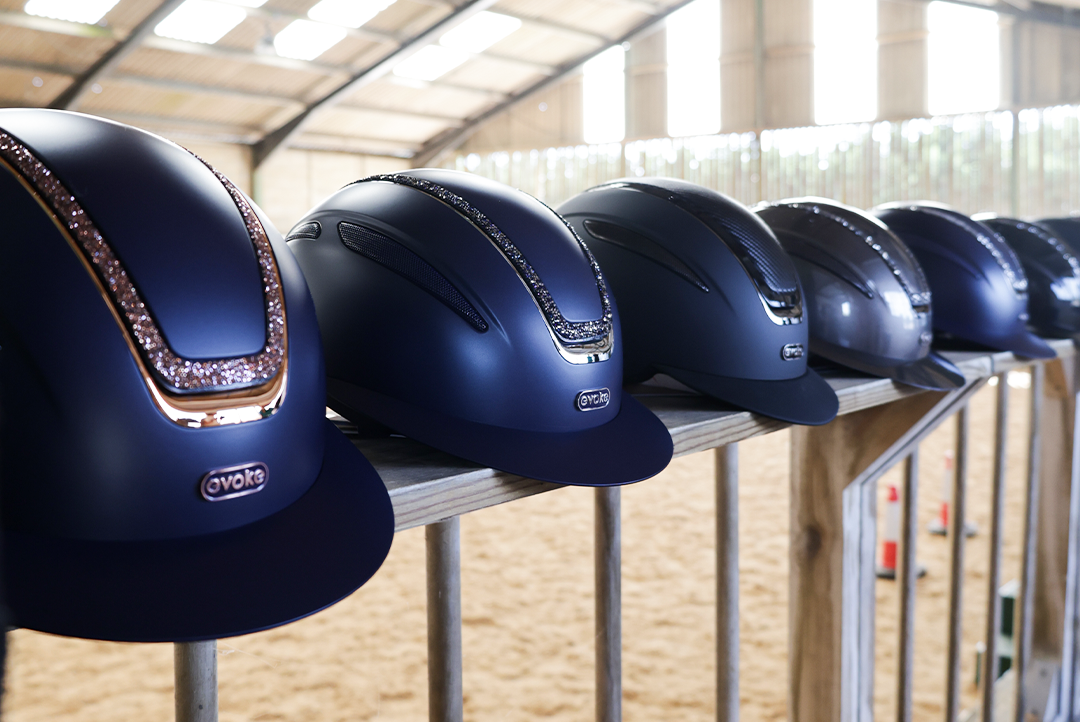
Absorption of energy: The expanded polystyrene (EPS) lining inside a helmet compresses during an impact, helping to absorb energy and reduce the forces transmitted to the head.
Multi-directional Impact Protection System (Mips): Helmets fitted with Mips feature a low-friction layer designed to allow slight movement during certain impacts. This can help reduce rotational motion transmitted to the head, providing an additional layer of protection.
Don't take the risk
Wearing a riding helmet should be non-negotiable when it comes to being around horses. While no helmet can eliminate the risk of concussion, wearing a properly fitted, appropriately certified helmet can help reduce the risk of serious head injury.
You only get one head. Make sure you protect it.